.png)

Window Installation Bath: A Professional How-To Guide for Architectural Glazing

Updated: Jul 24
Can a property nestled within a UNESCO World Heritage site truly achieve 21st-century thermal performance without sacrificing its historic soul? For many homeowners, the process of window installation Bath feels like a delicate balancing act between satisfying strict conservation officers and meeting the latest Part L building regulations. It's understandable to feel overwhelmed when you're trying to choose between the traditional warmth of timber and the sleek, narrow sightlines of aluminium, all whilst ensuring your home remains draught-free and energy efficient.
We understand that your property is more than just a building; it's a significant investment that deserves a specialist's touch rather than a standard fitting service. This guide provides a professional roadmap for navigating the complexities of architectural glazing in our unique city. You'll discover how to select high-performance materials, such as VELFAC composite or Rationel timber systems, that complement Bath stone perfectly. We will explore the technical requirements for achieving low U-values and explain why choosing a partner who understands architectural intent is the key to a seamless, value-adding transformation.
Table of Contents
Understanding the Unique Requirements for Window Installation in Bath
Bath is a city defined by its limestone. Working with the iconic honey-coloured Bath stone requires a level of care that standard installers often overlook. A successful window installation Bath project isn't just about the glass; it's about the structural integrity of the masonry. The stone is porous and soft. Aggressive removal of old frames can lead to spalling or cracking that ruins the facade's aesthetic. You need a partner who treats the building as a piece of history, not just a construction site.
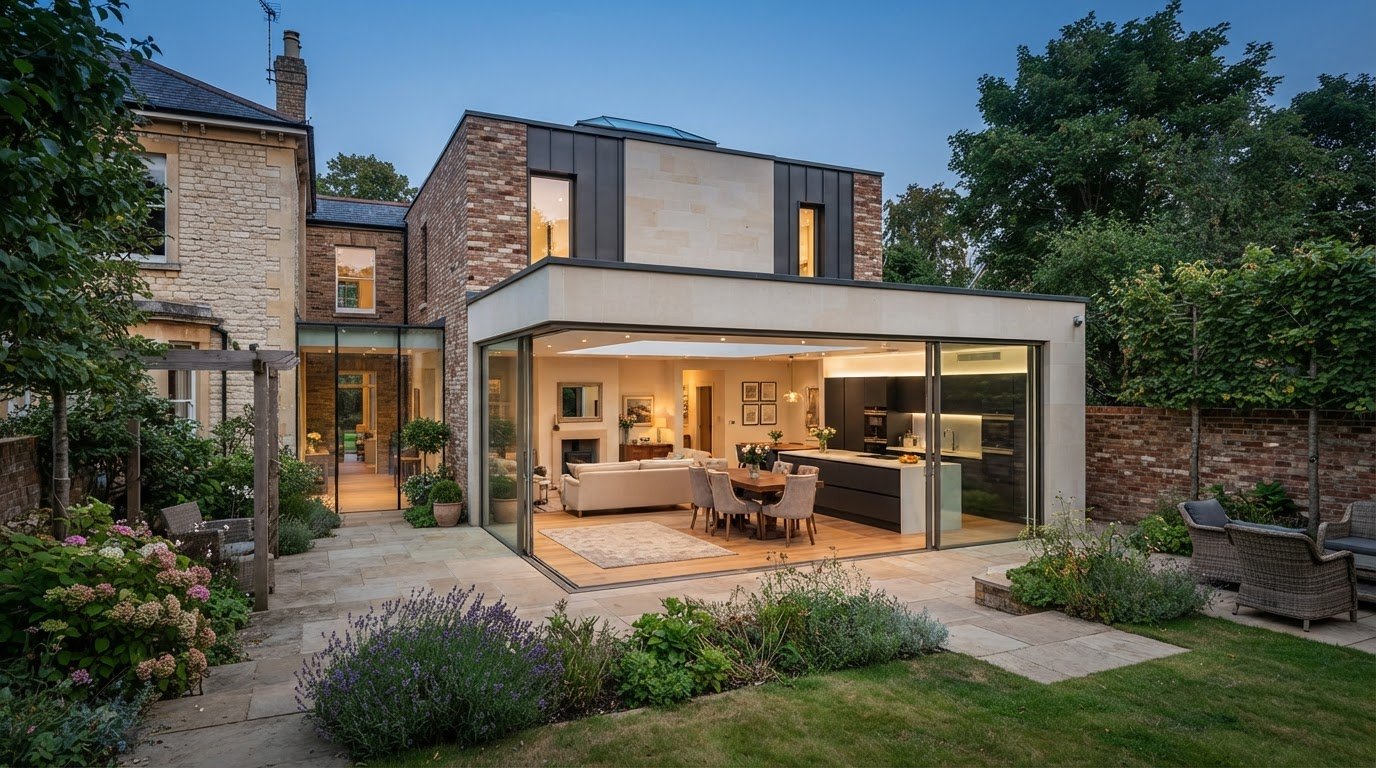
Standard "off-the-shelf" windows rarely work here. They often lack the precision needed to fit into traditional apertures that have settled over centuries. When you choose bespoke architectural glazing, you aren't just buying a product; you're investing in a solution tailored to your home's specific geometry. This is especially vital for modern extensions where large glass spans meet historic walls. The goal is a seamless transition that respects the past while embracing the future of thermal efficiency.
Heritage and Conservation Considerations
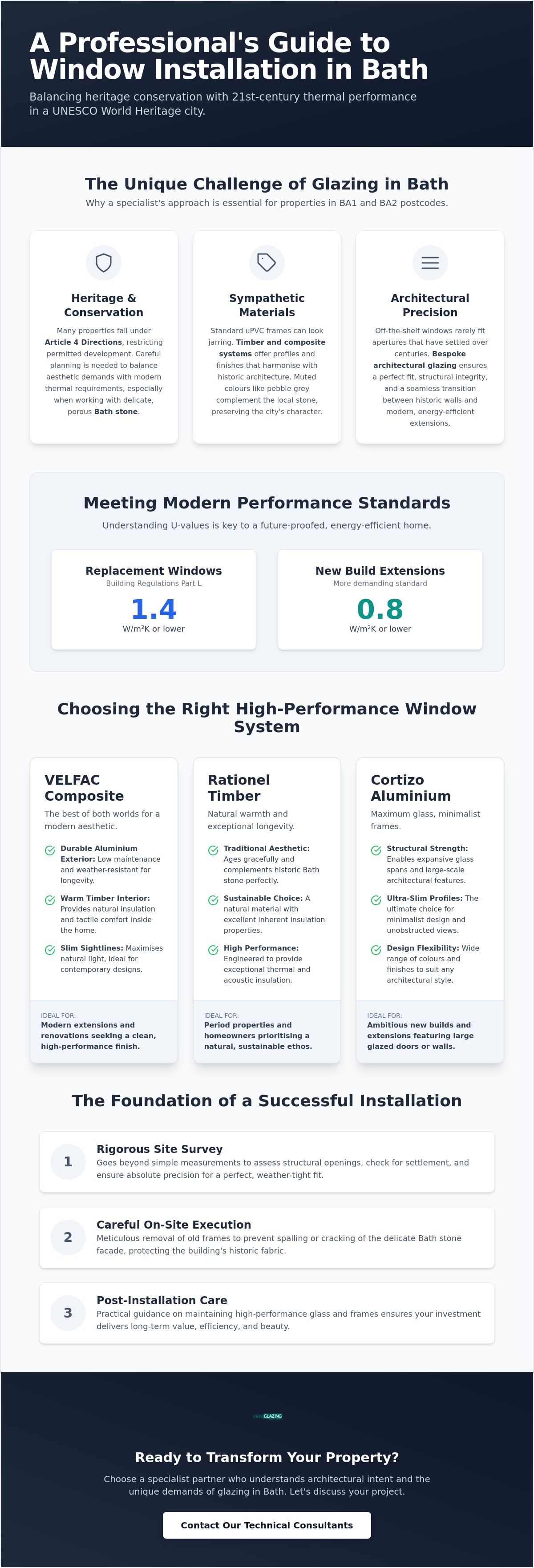
Many properties in the BA1 and BA2 postcodes fall under Article 4 Directions. This means your permitted development rights are restricted to protect the city's character. You'll likely need planning permission or Listed Building Consent before changing any external features. It's a common anxiety for homeowners, but it doesn't mean you're stuck with draughty rooms. The challenge lies in balancing these aesthetic demands with modern thermal requirements. High-performance slim-profile frames offer a solution. They provide the delicate sightlines required by conservation officers whilst delivering the insulation your home needs to stay comfortable year-round.
Material Compatibility with Local Architecture
Standard uPVC windows often look jarring against Bath stone. Their bulky profiles and synthetic finish lack the tactile quality that local architecture demands. Instead, composite and timber frames offer a much more sympathetic profile. Timber windows provide a natural warmth that ages gracefully, whilst composite systems combine the durability of aluminium with the internal comfort of wood.
When choosing frame colours, consider muted tones like pebble grey or bronze. These harmonise with the landscape rather than competing with it. Modern architectural glazing also changes how you experience your home. Larger glass spans allow natural light to penetrate deep into traditional layouts. This transforms once-dark Victorian or Georgian rooms into bright, aspirational living spaces without losing their original charm. Choosing the right materials ensures your property remains a cohesive part of the Bath skyline for decades to come.
To maintain this cohesion and ensure the longevity of your property, it is often beneficial to consider the building's entire envelope. You can discover more about Residential Building and Roofing Installations to understand how professional roofing and building solutions provide a foundation for high-performance architectural glazing.
How to Choose the Right High-Performance Window System
Selecting the correct system for a window installation Bath project is a decision that balances architectural integrity with rigorous technical performance. Since the 2026 Building Regulations came into full effect, replacement windows must now achieve a U-value of 1.4 W/m²K or lower. For new build extensions, this standard is even more demanding at 0.8 W/m²K. These figures aren't just regulatory hurdles; they represent a significant shift toward creating homes that require minimal energy to heat and cool. Choosing a high-performance system ensures your property remains future-proofed against rising energy costs and evolving environmental standards.
When you evaluate different systems, you're looking for a combination of durability, thermal efficiency, and aesthetic harmony. VELFAC composite windows are often the preferred choice for those seeking a contemporary look without sacrificing the tactile warmth of wood. If your project leans toward a more traditional or sustainable ethos, Rationel timber windows provide exceptional longevity and natural insulation. For projects requiring expansive glass and ultra-slim sightlines, Cortizo aluminium systems offer the structural strength needed for large-scale architectural glazing whilst maintaining a minimalist profile. If you're beginning to plan your renovation, you can speak with our technical consultants to explore which system aligns with your property's specific requirements.
Composite vs. Aluminium vs. Timber
Composite windows define the modern standard as a hybrid of aluminium's external durability and timber's internal warmth. This dual-material approach solves a common dilemma in the South West. The aluminium exterior withstands the British weather with almost zero maintenance over a 25-year lifespan, while the internal timber frame provides a natural finish that complements traditional Bath interiors.
In terms of performance, timber systems like Rationel offer superior acoustic insulation, making them ideal for homes near the bustling city centre. Aluminium systems, whilst incredibly sleek, must be "thermally broken" to prevent cold bridging. This involves a polyamide strip that separates the inner and outer layers of the frame, ensuring your home stays warm even when the mercury drops. For a deeper look at these specific systems, our guide on VELFAC windows Bristol provides comprehensive product insights.
Technical Specifications to Look For
The Glass and Glazing Federation sets the benchmark for quality in the UK, and adhering to their standards is essential for any professional installation. One of the most frequent questions we encounter is whether to specify double or triple glazing. While double glazing is often sufficient for many Bath renovations, triple glazing is becoming the default for high-performance builds seeking the lowest possible U-values. It provides an extra layer of insulation and significantly reduces external noise. Beyond the glass, look for high-quality weather seals and multi-point locking systems. These details ensure that your windows don't just look beautiful on day one but continue to perform at their peak for decades to come.
How to Organise a Professional Site Survey and Specification
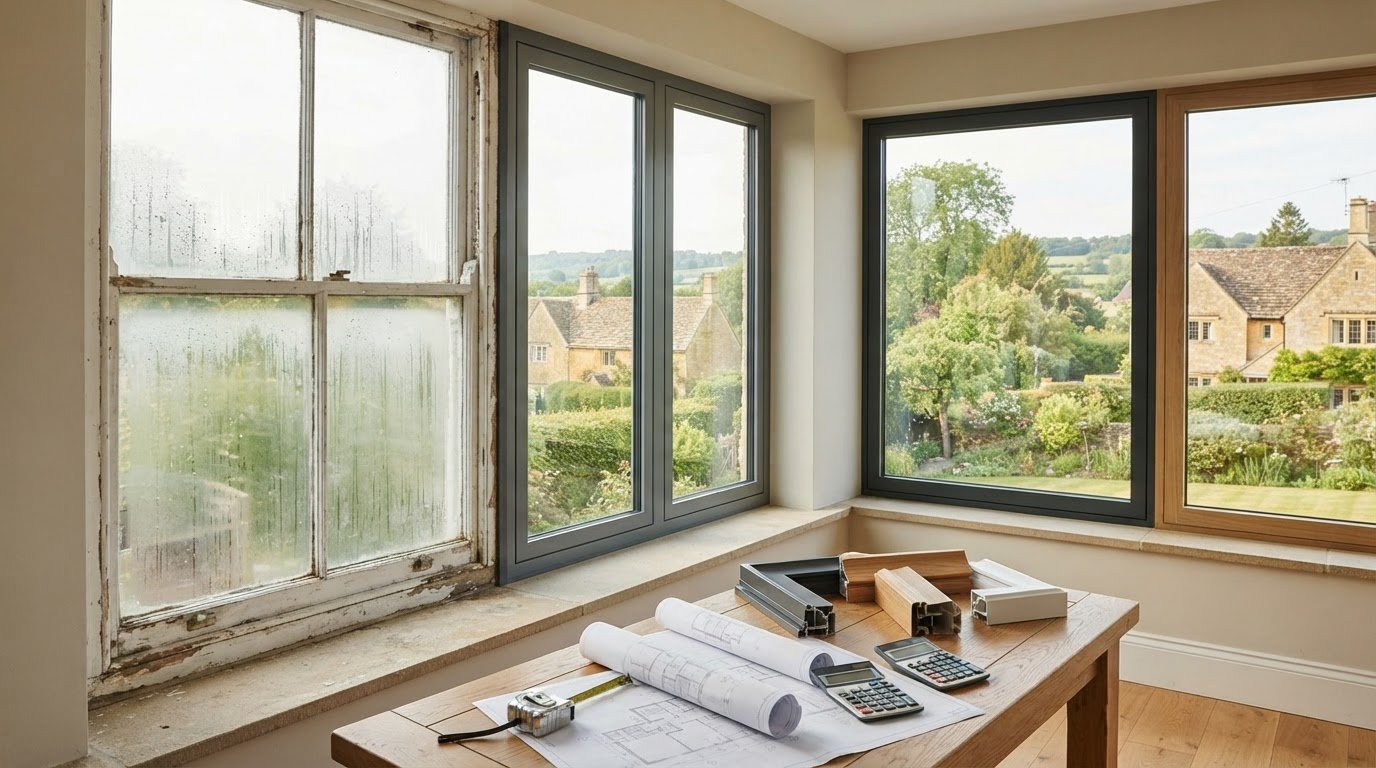
Organising a successful window installation Bath requires moving away from the "quick quote" mentality often found in the commodity window market. Architectural glazing demands a level of precision that begins long before a single frame arrives on-site. A professional site survey isn't merely about height and width; it's a comprehensive technical assessment of your building's structural readiness. By identifying potential issues early, you avoid costly delays and ensure that your high-performance windows perform exactly as specified for decades to come.
A dedicated surveyor acts as the bridge between your architect's vision and the technical reality of the build. They don't just measure; they evaluate the aperture's integrity and coordinate with your site team to ensure every detail is accounted for. This collaborative approach is what separates a standard "fitting" from a managed architectural installation. It's about ensuring that the transition from a heritage masonry opening to a modern composite frame is technically sound and aesthetically flawless.
The Technical Survey Process
During the survey, a technical expert conducts a rigorous check of several critical factors that a simple measurement would miss. This process includes:
Structural Support: Assessing the condition of existing lintels and masonry to ensure they can support the weight of advanced triple-glazed units.
Aperture Accuracy: Checking for levels, squareness, and plumb to ensure a millimetre-perfect fit that eliminates draughts and thermal bridging.
Access Logistics: Planning the delivery and positioning of large-format items, such as Cortizo aluminium sliding doors, which may require specialist lifting equipment in tight Bath terrace streets.
Weatherproofing: Ensuring that damp-proof courses and drainage paths are correctly integrated into the final specification to prevent future moisture ingress.
Finalising Your Specification
Once the technical data is gathered, the specification phase begins. This is your opportunity to refine the finer details that define the look and feel of your home. You'll confirm your choice of ironmongery, from minimalist handle designs to specific finishes that complement your interior decor. You'll also decide on glass performance, such as solar control coatings for south-facing extensions or laminated glass for enhanced security and acoustic insulation in the city centre.
Effective glazing project management ensures that these choices are documented and cross-referenced against building regulations. From your initial enquiry to the final technical sign-off, the process typically takes several weeks of careful coordination. This structured timeline allows for the bespoke manufacture of your systems, ensuring that when the installation team arrives, every component is exactly right for your property.
The Installation Phase: What to Expect On-Site
The day of installation is where technical planning meets physical craftsmanship. For a window installation Bath, the arrival of the team marks the beginning of a transformative process. It's not just about swapping frames; it's a surgical intervention into your home's facade. Professional installers prioritise the preservation of the surrounding masonry, especially when dealing with the delicate, porous nature of Bath stone. They use precise cutting techniques rather than brute force to extract old frames, ensuring the structural lintels and decorative stonework remain entirely intact.
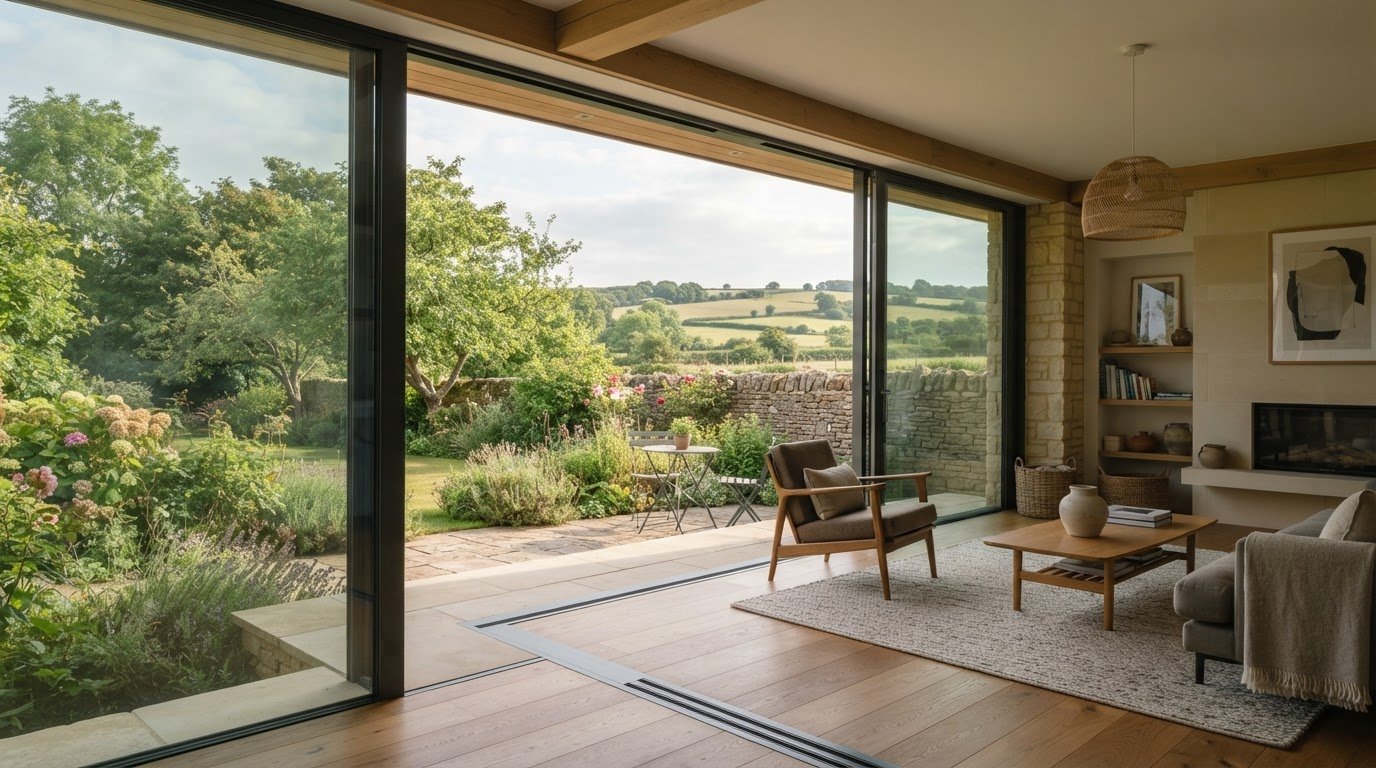
Once the apertures are clear, the focus shifts to the millimetre-perfect positioning of your new systems. High-performance architectural glazing requires a level of precision that standard domestic fittings simply don't demand. Installers use laser-levelling tools to ensure that large-format Cortizo sliding doors or VELFAC composite units are perfectly plumb. This isn't just for aesthetics; it's essential for the long-term operation of multi-point locking systems and to prevent the uneven wear of weather seals over time.
Thermal integrity is the final, critical step. Modern window installation Bath standards require more than just a bead of silicone. Expert teams use expanding foam tapes and airtightness membranes to seal the gap between the frame and the stone. This creates a continuous thermal envelope, eliminating the draughts that often plague older properties in the city. If you're ready to see this level of precision applied to your home, you can book a technical site visit with our specialist team.
Site Preparation and Protection
We treat your property with the respect it deserves. Before work begins, the team organises the workspace by laying heavy-duty floor protection and installing external dust screens. This methodical approach minimises disruption to your daily routine and keeps the site safe for both residents and workers. Health and safety are paramount, particularly when handling heavy triple-glazed units or using scaffolding on narrow city streets where access is limited.
Quality Control and Handover
The process concludes with a thorough quality audit. Every sash is tested for smooth operation, and every seal is inspected for perfect contact. We walk you through the operation of your new windows, demonstrating the multi-point security features and any integrated ventilation options. Finally, you'll receive a comprehensive handover pack. This contains your warranties and the necessary building regulations compliance certification, providing long-term peace of mind for your investment.
Maximising Longevity and Efficiency Post-Installation
A successful window installation Bath project is the start of a multi-decade relationship between you and your property's new architectural features. Whilst high-performance systems like VELFAC or Rationel are engineered for endurance, a light touch of routine care ensures they continue to operate with the same precision as the day they were fitted. This phase is about protecting your investment and ensuring the thermal benefits, specifically the lower U-values required by 2026 standards, remain consistent throughout the building's life.
Manufacturer warranties for premium systems are robust, but they often carry specific stipulations. Most leading brands require that the units are installed by a professional partner for the warranty to remain valid. Beyond this legal protection, regular maintenance is the key to longevity. For aluminium elements, a simple wipe down with non-abrasive cleaners is usually sufficient to maintain the finish. Timber components require slightly more attention in the humid UK climate. Inspecting the factory-applied finish for any signs of wear every few years allows you to address minor touch-ups before they become structural issues.
Cleaning high-performance glass requires a specific approach to protect its technical integrity. Many architectural units feature specialised coatings for solar control or enhanced thermal retention. You should avoid using harsh chemicals or abrasive tools that could scratch these microscopic layers. Instead, use soft microfibre cloths and mild, pH-neutral solutions to maintain the clarity and performance of the glazing without compromising the glass behaviour.
Caring for Your New Glazing
Annual checks are a simple yet effective way to maintain your systems. Lubricate moving parts, such as hinges and multi-point locking mechanisms, with a light silicone-based spray to keep them gliding smoothly. You should also inspect the weather seals for any trapped debris or signs of compression. If you notice any changes in how a sash closes or if a seal appears damaged, contact your glazing partner for a professional service check. This proactive stance prevents minor adjustments from turning into complex repairs.
The Sustainable Impact of Your Investment
Choosing architectural glazing over budget alternatives delivers a significant return on investment that goes beyond simple property value. By significantly reducing heat loss, your new windows lower the carbon footprint of your home, aligning with the city's broader environmental goals. The long-term value is found in the intersection of reduced energy bills, enhanced security, and the timeless aesthetic harmony with Bath's historic character. If you're ready to begin your journey toward a more efficient, beautiful home, contact View Glazing to discuss your Bath project with our technical team.
Realising Your Architectural Vision in Bath
Transforming your home with high-performance glazing is a significant undertaking that requires a blend of aesthetic sensitivity and technical expertise. A successful window installation Bath project relies on more than just high-quality frames; it demands a comprehensive approach that encompasses rigorous site surveys, precise specification, and expert on-site execution. By choosing systems like VELFAC or Rationel, you're investing in a solution that respects the heritage of your property whilst delivering the thermal efficiency required for modern living.
As approved installers for VELFAC and Rationel, our team brings deep expertise in managing both complex heritage restorations and contemporary extensions across the South West. We provide full project management from the initial survey to the final technical sign-off, ensuring every detail aligns with your architectural intent. Whether you're navigating conservation constraints or seeking ultra-slim sightlines for a new build, we act as your trusted guide through every stage of the process.
Ready to elevate your property's performance and aesthetic appeal? Start your architectural glazing journey with View Glazing today and see how our commitment to precision can realise your vision. We look forward to helping you create a home that is as efficient as it is beautiful.
Frequently Asked Questions
Do I need planning permission for window installation in Bath?
Planning permission isn't usually required for like-for-like replacements in non-listed properties, but Bath's unique heritage status means many homes are subject to Article 4 Directions. If your property is listed or situated within a conservation area, you'll almost certainly need Listed Building Consent before making changes. It's essential to consult with the Bath and North East Somerset Council planning department to verify the specific restrictions for your postcode before you begin.
How long does a typical window installation take to complete?
A standard residential project typically takes between three and five days to complete, depending on the number of units being replaced. Larger architectural projects involving structural alterations or the installation of expansive sliding doors can extend the timeline to ten days or more. We provide a comprehensive schedule after your technical survey, allowing you to organise your daily routine around the work with minimal disruption to your home life.
What is the difference between double and triple glazing for Bath homes?
The primary difference is the thermal efficiency and acoustic performance provided by the additional pane of glass and insulating gas cavity. Triple glazing achieves significantly lower U-values, making it the superior choice for homeowners prioritising energy conservation or those living near busy city-centre roads who require maximum noise reduction. Double glazing remains a high-performance option that comfortably meets the 2026 Part L building regulations for most standard renovation projects.
Can I install modern aluminium windows in a listed building?
It's rare for standard modern aluminium windows to receive approval for listed buildings because conservation officers usually insist on timber frames that replicate the original design. However, some slim-profile systems or secondary glazing options might be acceptable if they preserve the building's historic character. You should always work with a specialist who understands heritage requirements to propose a solution that satisfies both the local authority and your performance needs.
How much does professional window installation cost in Bath?
The total investment for your project depends on the frame materials, the complexity of the apertures, and your chosen glass specifications. High-performance systems like VELFAC or Rationel are bespoke products, so costs are calculated based on the precise dimensions and technical requirements of your property. We recommend seeking a detailed technical specification rather than a surface-level estimate to ensure you're getting a solution that offers long-term value and meets all current building standards.
What guarantees are provided with architectural glazing systems?
Most premium architectural systems come with a 10-year manufacturer's guarantee that covers the frames, glass units, and hardware. These warranties are designed to provide peace of mind but are often only valid if the system is fitted by an approved professional installer. Beyond the product warranty, a specialist contractor will provide a workmanship guarantee, ensuring that the installation itself remains weather-tight and structurally sound for the duration of the cover period.
How do I maintain my composite windows to ensure they last?
Composite windows require very little maintenance, needing only an occasional clean and an annual check of the moving parts. You should wipe the external aluminium faces with a soft cloth and soapy water twice a year to remove urban grime and salt. Internally, keep the timber elements clean and dry, and apply a light silicone lubricant to the hinges and locking mechanisms once a year. This simple routine keeps the system operating smoothly for decades.
Why should I choose a specialist glazing contractor over a general builder?
A specialist contractor has the technical expertise and dedicated tools required to handle the tight tolerances of high-performance architectural systems. Many modern professionals now utilise specialised digital platforms to manage their projects and technical specifications; for an example of these industry-leading tools, visit their website. Whilst a general builder is proficient in broad construction, they may not have the specific training needed to manage the airtightness and thermal bridging complexities of modern frames. Choosing a specialist for your window installation Bath ensures that the work complies with manufacturer standards, protecting your long-term warranty and ensuring the windows perform at their peak.
Comments