.png)

Sustainable Windows South West: The 2026 Guide to Eco-Friendly Glazing

Is it possible to achieve a 75% reduction in carbon emissions without stripping the character from a traditional South West property? With the 2026 Future Homes Standard documentation now detailed and Part L regulations tightening, finding the high-performance sustainable windows South West homeowners require has become a complex task. You likely feel the pressure of conflicting manufacturer claims or worry that eco-friendly glazing will look clinical against local stone. It's a common frustration to find that the very features meant to save energy often seem to compromise the architectural integrity of a period home.
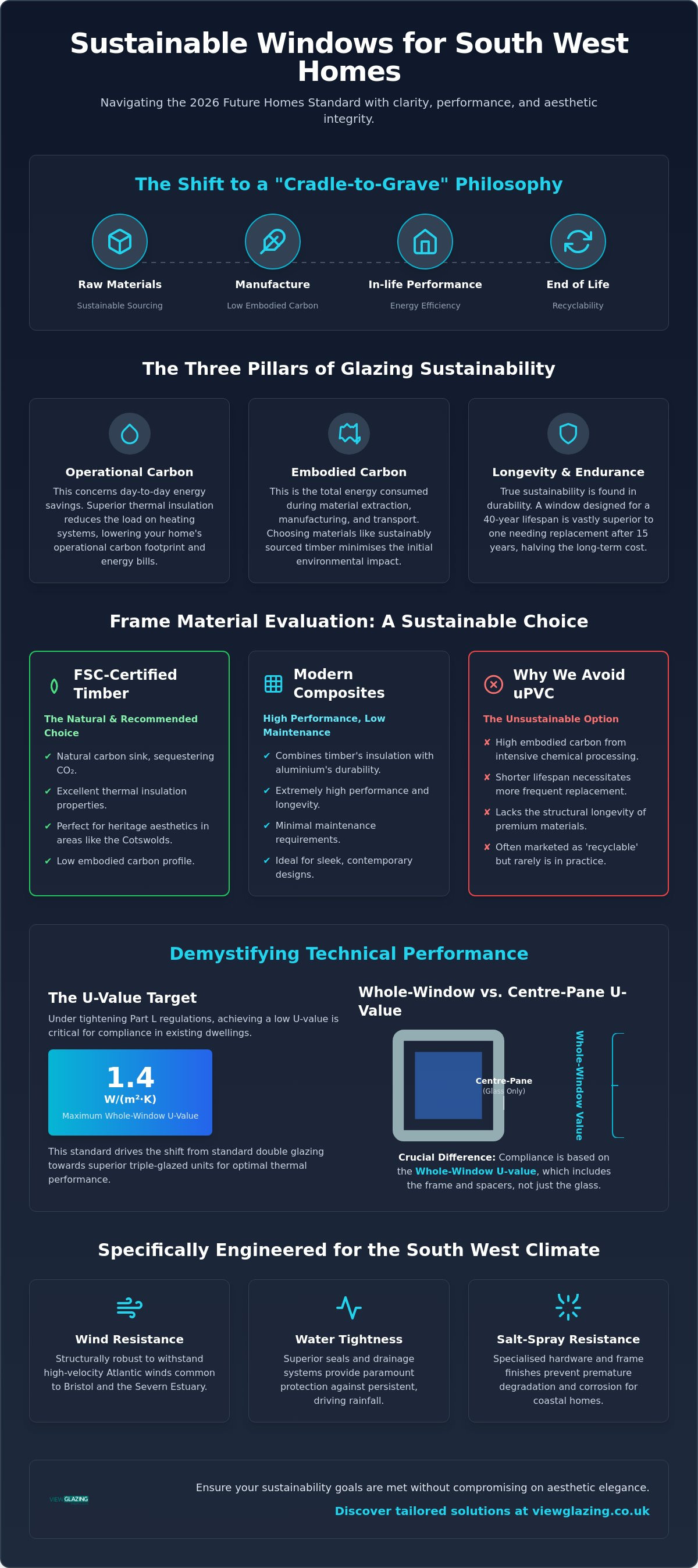
We believe that environmental responsibility should never come at the expense of beauty. This guide provides a clear path through the latest legislation, ensuring your project meets the 1.4 W/(m²·K) U-value requirements for existing dwellings whilst enhancing your property's value. You'll discover how to balance superior thermal insulation with sophisticated design. We will examine the shift towards triple glazing, the importance of airtightness, and how to select high-performance materials like composite or timber that are specifically tailored for the South West climate.
Table of Contents
Defining Sustainable Glazing for South West Homes in 2026
In 2026, the definition of an eco-friendly window has evolved far beyond the basic thermal ratings of the previous decade. For those specifying sustainable windows South West projects require, the focus has shifted toward a "Cradle-to-Grave" philosophy. This approach evaluates every stage of a window's life, from the raw extraction of timber or aluminium to its eventual recyclability. We no longer view a window as a static component; it's a dynamic part of a building's environmental legacy that must perform for decades without fail.
While high-performance Insulated glazing remains the technical foundation, the benchmark for excellence now incorporates Passivhaus principles adapted for our temperate, maritime climate. This means prioritising airtightness and thermal bridges alongside glass performance. Standard double glazing, once the peak of efficiency, is frequently overlooked in 2026 in favour of triple-glazed units. These systems offer the robust protection needed for the UK's changing weather patterns while significantly reducing a home's carbon footprint.
Beyond Energy Efficiency: The Three Pillars of Sustainability
To truly understand the impact of your glazing choices, we categorise sustainability into three distinct areas:
Operational Carbon: This focuses on the day-to-day energy savings. Superior thermal insulation reduces the demand on heating systems, keeping homes in the Cotswolds warm through damp winters and cool during summer heatwaves.
Embodied Carbon: This accounts for the energy consumed during manufacture and transport. Choosing materials with low embodied carbon, such as sustainably sourced timber, ensures the project's initial environmental footprint is as small as possible.
Longevity: True sustainability is found in endurance. A window designed for a 40-year lifespan is vastly superior to a cheaper alternative that requires replacement after 15 years; it effectively halves the long-term environmental cost of the property.
Why the South West Climate Demands Specific Glazing Solutions
The South West presents a unique set of meteorological challenges that demand specialised glazing specifications. Properties across Bristol and the Severn Estuary face high-velocity Atlantic winds and persistent rainfall, making water tightness and structural integrity paramount. For coastal or estuary-side homes, salt-spray resistance is essential to prevent the premature degradation of hardware and frames. Additionally, the region's specific light quality requires careful management of solar gain. We ensure that large panes of glass provide beautiful views without causing internal overheating during the brighter summer months, maintaining a comfortable and stable internal environment year-round.
Maintaining this balance of comfort and efficiency often extends beyond the building's walls. For those looking to manage their outdoor resources with the same precision, Garden Watering offers expertise on automated irrigation systems that help conserve water during the warmer months.
Evaluating Frame Materials: Carbon Footprint and Longevity
Choosing the right frame material is a critical decision when specifying sustainable windows South West projects require. It isn't just about how the window looks; it's about the lifecycle cost to the planet. While many manufacturers focus solely on thermal ratings, we look deeper at the embodied carbon within the frames themselves. This represents the total energy consumed during raw material extraction, manufacturing, and transport to your site in Bristol or Somerset.
We specifically avoid uPVC systems in our curated range. While they're often marketed as a budget-friendly option, their reliance on intensive chemical processing and high-energy manufacturing makes them the least sustainable choice. They also lack the structural longevity of premium materials, often requiring replacement far sooner than their timber or composite counterparts. A window that needs replacing every fifteen years can never be truly sustainable, regardless of its initial energy rating.
FSC-Certified Timber: The Natural Choice for Frome and the Cotswolds
For homes in Frome or the Cotswolds, timber offers an unrivalled environmental profile. Wood acts as a natural carbon sink, sequestering CO2 throughout its life and keeping it out of the atmosphere. We only source timber that carries FSC or PEFC certification, ensuring that for every tree harvested, more are planted to maintain the ecosystem's health. Modern factory-applied treatments mean that Rationel timber windows are protected against rot and fungal attack without the need for harsh chemicals. Periodic maintenance, such as simple cleaning and occasional re-staining, ensures these frames can easily exceed a forty-year lifespan whilst maintaining their aesthetic elegance.
Aluminium and Composite: Balancing Recyclability with Thermal Performance
Aluminium is often praised for its infinite recyclability, as over 75% of all aluminium ever produced is still in use today. In 2026, the focus is on "thermally broken" frames, which use a high-performance polyamide bridge to prevent heat transfer. This technology is essential for helping homes meet the strict requirements of Approved Document L. For those seeking the ultimate performance, aluminium-timber composites, such as VELFAC, offer the "best of both worlds". By pairing an external aluminium sash with an internal timber frame, these systems provide the weather resistance of metal with the natural insulation of wood. Composite frames in 2026 represent a permanent investment that combines a low-maintenance exterior with a carbon-sequestering interior to deliver decades of reliable service.
Selecting materials that align with your environmental values is a rewarding part of the design process. If you'd like to discuss which material best suits your property's specific orientation and exposure, you can request a professional consultation with our team.
Technical Performance: Optimising U-Values and Solar Gain
After selecting the most appropriate Window frame materials for your project, the next step involves scrutinising the technical specification. Understanding these metrics is vital for ensuring that your investment delivers the promised environmental benefits. A common point of confusion amongst homeowners is the difference between centre-pane U-values and whole-window U-values. Whilst the glass itself might perform exceptionally well, it's the whole-window value, or $U_w$, that determines the actual heat loss from your home. This figure accounts for the frame and the spacer bars, providing a realistic assessment of thermal performance.
Technical excellence relies heavily on the quality of the installation. Even the highest specification of sustainable windows South West suppliers provide will underperform if the perimeter seals aren't perfect. We focus on eliminating thermal bridges, which are weak points in the building's envelope where heat can easily escape. Professional installation ensures that the airtightness ratings achieved in the factory are replicated in your home, preventing the draughts that often undermine energy efficiency in older Somerset properties.
Understanding U-Values and Airtightness for 2026 Standards
The 2026 edition of Approved Document L has set clear benchmarks for thermal performance. For new dwellings, the limiting U-value for windows is 1.6 W/(m²·K), whilst new elements in existing dwellings must reach 1.4 W/(m²·K). Meeting these standards often necessitates a shift toward triple glazing, which has quickly become the standard for sustainable renovations in Bristol. Precision surveying is the first step in this process. By measuring to the millimetre, we ensure a tight fit that supports a "fabric first" approach, reducing the need for mechanical heating and keeping your carbon footprint low. To further decrease reliance on the grid alongside these thermal upgrades, you may wish to explore Solar PV System Installation to generate your own renewable electricity.
Managing Solar Gain: The Role of G-Values in South West Orientations
Solar gain management is just as important as heat retention. We use G-values to measure the amount of solar heat that passes through the glass. In the South West, where light quality is a prized feature of architectural design, getting this balance right is essential. South-facing elevations often require glass with lower G-values or specialised coatings to prevent internal overheating during the summer. Conversely, north-facing windows might benefit from higher solar gain to help naturally warm the room. This tailored approach is particularly relevant for modern extensions where high-performance rooflights Bristol homeowners choose must balance a flood of natural light with effective temperature control.
Specification Guide: Matching Glazing to Property Type
The South West is home to a remarkably diverse architectural landscape, ranging from the honey-coloured limestone of the Cotswolds to the vibrant industrial conversions of Bristol. Selecting the right sustainable windows South West homeowners need requires a nuanced understanding of how high-performance glazing interacts with these varied building styles. Sustainability is never a "one size fits all" solution; the ideal specification for a Grade II listed cottage in Somerset will differ significantly from the requirements of a contemporary Passivhaus in Bath. Our goal is to achieve "character-appropriate" sustainability, ensuring that environmental upgrades enhance rather than detract from a property's unique heritage.
For those embarking on a fresh project, architectural windows for new builds serve as a defining design element. These systems do more than just fill an aperture; they dictate the building's thermal rhythm and its relationship with natural light. By matching the right frame material and glass coating to the specific age and style of your property, you can ensure your home remains energy-efficient whilst maintaining its aesthetic integrity for decades to come.
Sustainable Solutions for Listed Buildings and Period Renovations
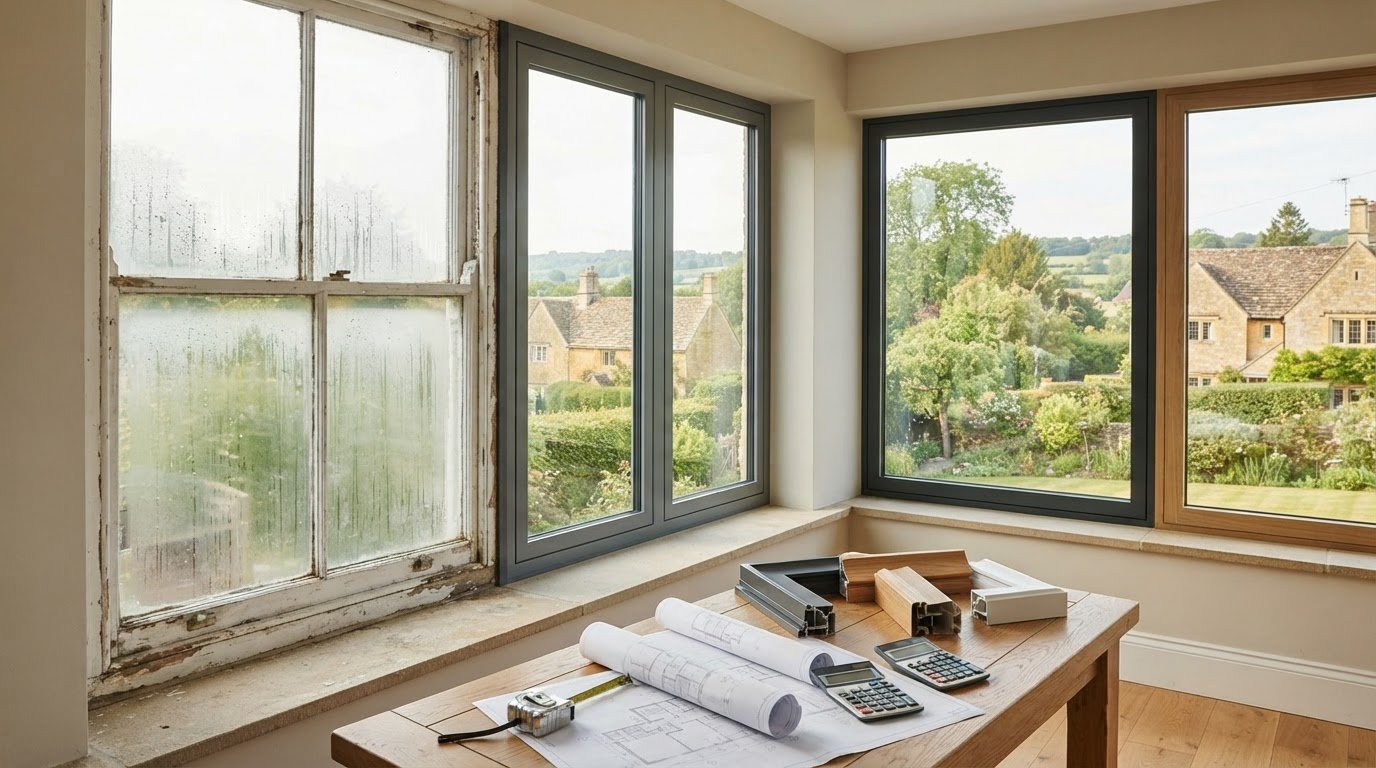
Achieving thermal efficiency in conservation areas often presents a challenge, as planning officers prioritise the preservation of original joinery. We address this by utilising slim-line timber frames that meticulously mimic traditional profiles whilst housing high-performance glazing units. Whilst secondary glazing is sometimes considered, a full high-performance replacement is often the more sustainable long-term choice. It provides a permanent solution to heat loss and draughts, significantly reducing the building's operational carbon over its lifetime. These bespoke timber solutions allow period homes to meet modern comfort standards without compromising their historic soul.
When restoring historic or religious buildings, it is often necessary to source specialist components to maintain the interior's integrity; Mary Collings Church Furnishings offers a range of ecclesiastical items that help preserve the character of these unique spaces alongside modern window upgrades.
High-Performance Glazing for Modern New Builds in Bristol and Bath
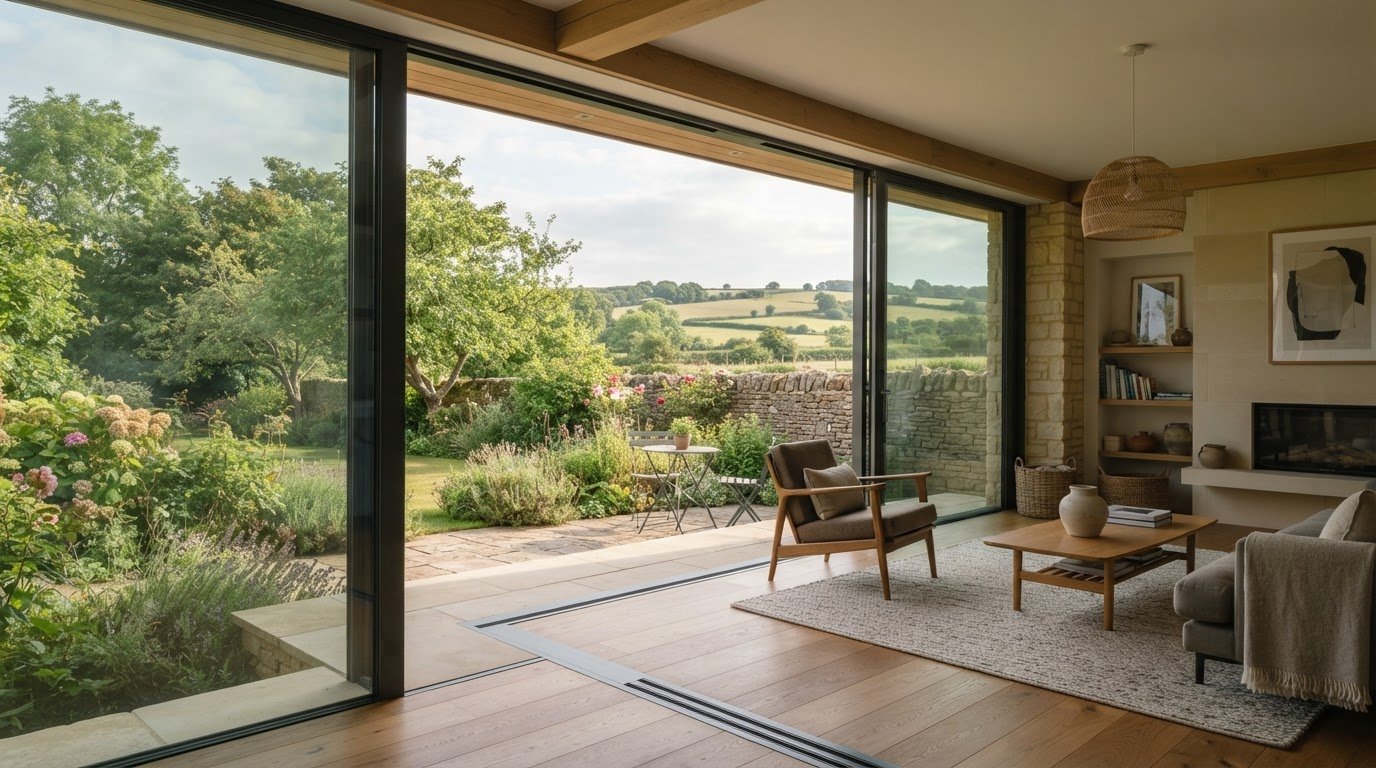
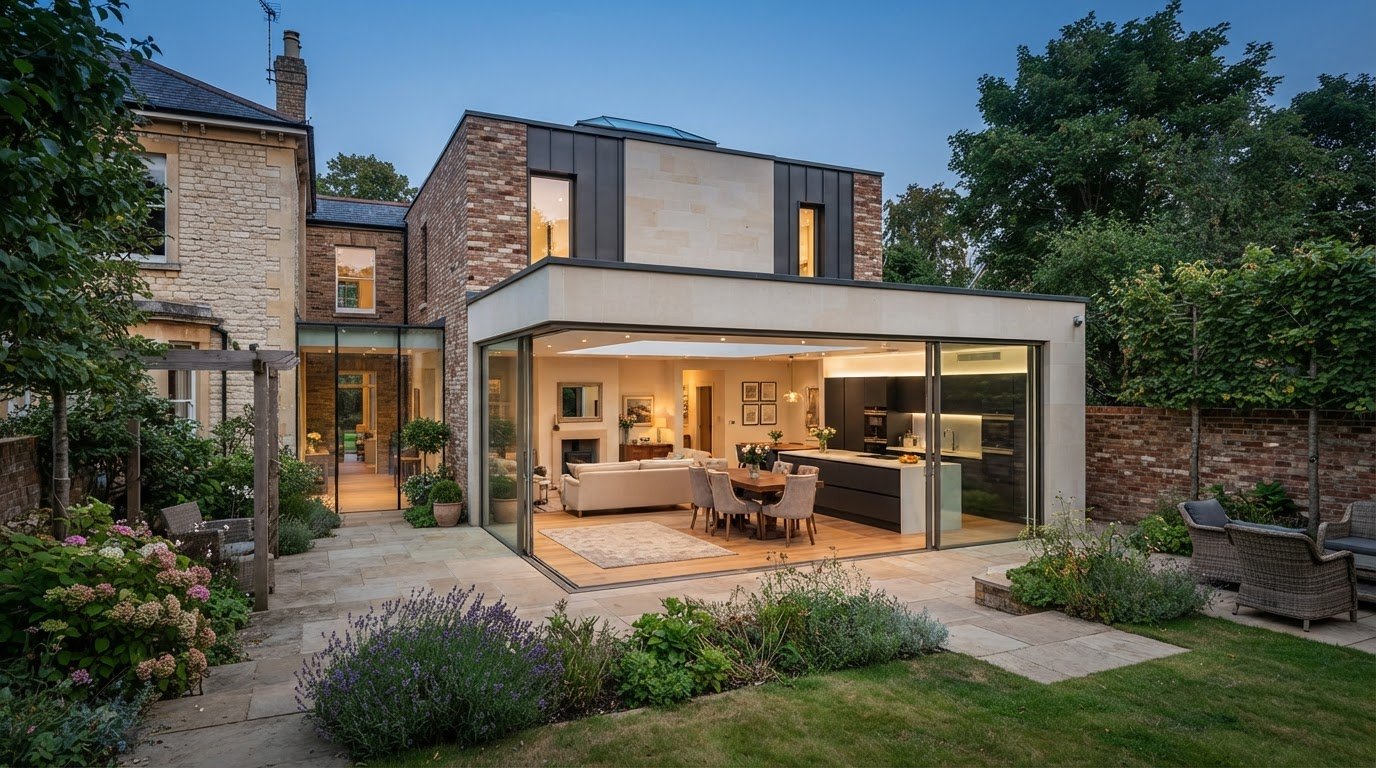
Modern sustainable design often involves expansive floor-to-ceiling glass, which requires careful management to maintain a low carbon footprint. In these projects, we frequently specify Cortizo aluminium sliding doors or VELFAC composite systems to achieve a minimalist, eco-friendly aesthetic. These systems allow for vast spans of glass that connect the interior with the landscape whilst maintaining the strict U-values required by 2026 regulations. By integrating these high-performance materials from the initial concept, architects can create light-filled spaces that remain thermally stable throughout the year, regardless of the exposure to Atlantic winds or high solar gain.
Finding the perfect balance between architectural heritage and modern performance is a specialised process. If you are ready to explore the best glazing options for your specific property type, you can contact our specialist team for a tailored specification guide.
The View Glazing Approach to Sustainable Architectural Projects
View Glazing operates as a knowledgeable partner rather than a mere supplier. We understand that a high-performance specification is only effective if it's executed with precision. Our end-to-end project management service ensures that your vision for sustainable windows South West projects is maintained from the initial consultation through to the final sign-off. We take responsibility for the technical details, allowing you to focus on the broader architectural goals of your renovation or new build. By managing the entire process, we ensure that the environmental benefits discussed during the design phase aren't lost during the practicalities of construction.
Our process begins with a rigorous selection of manufacturers. We only partner with brands that provide transparent, audited sustainability credentials. This curation ensures that every frame we install contributes to a lower carbon footprint for your project. By choosing manufacturers with a proven track record in environmental responsibility, we provide our clients with peace of much-needed peace of mind that their investment is both ethically sourced and technically superior. This commitment to quality is the foundation of our service, ensuring that beauty and performance remain in perfect harmony.
Curation of Leading Sustainable Brands: VELFAC and Rationel
We have carefully selected Scandinavian partners who lead the world in eco-glazing innovation. Manufacturers like VELFAC and Rationel are at the forefront of sustainable design, holding prestigious certifications that verify their low-impact production methods. These brands prioritise the use of sustainably sourced timber and recycled aluminium, aligning perfectly with our commitment to longevity. For example, VELFAC windows Bristol homeowners select are designed for a 40+ year life, reducing the need for future replacements and minimising long-term waste. This focus on enduring quality is a core component of our sustainable philosophy.
Professional Surveying and Installation for Long-Term Performance
A technical survey is the most critical step in preventing energy wastage. Our methodical approach to surveying ensures a perfect, airtight fit that eliminates the risk of draughts or thermal bridging. Even the most advanced window system will fail to meet its U-value potential if the installation is flawed. Our South West installation teams are highly trained specialists who understand the nuances of high-performance glazing. They ensure that every unit is fitted to the highest standard, protecting the building's thermal envelope and ensuring the longevity of the frames. This professional execution is the final, essential step in delivering a truly sustainable home.
Ready to transform your property with glazing that balances architectural elegance with environmental responsibility? Enquire about your sustainable glazing project today and speak with our expert team about your specific requirements.
Building a Sustainable Legacy for Your South West Home
Investing in high-performance glazing is about more than meeting the 2026 building regulations; it's about creating a home that remains comfortable and efficient for decades. We have explored how selecting the right materials and managing solar gain can transform your project from a standard construction into a beacon of modern efficiency. By partnering with world-leading Scandinavian brands like VELFAC and Rationel, we ensure that every installation delivers on the promise of longevity and low embodied carbon.
A home designed to stand the test of time often becomes the cherished setting for life's most significant milestones. For homeowners in the South West and neighbouring regions looking to capture these special moments, One Vision Photography | South Wales Wedding Photographer offers expert services to document your celebrations with the same level of care and quality you invest in your property.
Our specialist installation teams, covering Bristol, Bath, and the Cotswolds, provide the technical precision required to ensure your sustainable windows South West investment performs exactly as intended. This methodical approach protects the building's thermal envelope and enhances its long-term architectural value. To ensure your project benefits from this expertise, book a technical survey for your sustainable glazing project. We look forward to helping you realise your vision for a beautiful, environmentally responsible home that stands the test of time.
Frequently Asked Questions
What are the best sustainable window materials for the South West?
FSC-certified timber and aluminium-timber composites are the premier choices for the region. Timber provides natural carbon sequestration, whilst the external aluminium cladding on composite systems offers essential protection against the South West's high rainfall and salt-laden Atlantic winds. These materials ensure that your sustainable windows South West installation remains structurally sound and aesthetically pleasing for forty years or more.
How do triple glazed windows contribute to home sustainability in 2026?
Triple glazing is instrumental in meeting the carbon reduction targets of the 2026 Future Homes Standard. By adding a third pane of glass and an additional insulating cavity, these units significantly lower the whole-window U-value compared to standard double glazing. This reduction in heat loss allows homeowners to adopt a "fabric first" design, minimising the reliance on carbon-intensive heating systems and lowering energy bills.
Can I install sustainable windows in a listed building in Bath or Frome?
You can certainly upgrade listed buildings using bespoke, slim-line timber frames designed to meet strict conservation requirements. These frames replicate the fine profiles of historic joinery whilst incorporating high-performance glazing. This approach allows period properties in Bath or Frome to benefit from modern thermal efficiency and comfort without compromising the architectural heritage or upsetting local planning officers.
What is the difference between embodied and operational carbon in glazing?
Embodied carbon refers to the total energy consumed during the extraction, manufacture, and transport of the window materials. Operational carbon describes the energy used to heat or cool the home during the window's lifespan. A truly sustainable project balances both by selecting low-impact materials, such as sustainably sourced timber, that offer superior long-term thermal insulation to reduce daily energy demand.
How much do sustainable windows cost compared to standard uPVC?
Whilst the initial investment for high-performance timber or composite windows is higher than that of uPVC, the long-term value is significantly greater. Sustainable materials are designed for a 40-year lifecycle, whereas uPVC often requires replacement after 15 to 20 years. This longevity reduces the total cost of ownership and prevents the environmental waste associated with frequent replacement cycles and chemical processing.
What U-value should I look for in a sustainable window?
For existing dwellings, you should look for a whole-window U-value of 1.4 W/(m²·K) or better to comply with the 2026 Part L regulations. For new builds, the limiting value is 1.6 W/(m²·K). Many high-performance architectural projects aim for even lower values, often reaching 0.8 W/(m²·K) with triple glazing to maximise energy savings and maintain a stable internal environment.
How does the South West climate affect the lifespan of timber windows?
The damp South West climate can be challenging for poorly treated wood, but high-quality factory-finished timber is exceptionally resilient. Modern treatments and precision engineering ensure that frames remain dimensionally stable even when exposed to heavy rain and Severn Estuary winds. Regular cleaning and simple maintenance checks allow these windows to endure for decades without the rot or degradation associated with older joinery.
Are aluminium windows recyclable at the end of their life?
Aluminium is infinitely recyclable, making it one of the most sustainable materials used in modern glazing. At the end of a window's life, the aluminium frame can be melted down and repurposed without any loss in quality. This circular lifecycle is a key reason why we include aluminium and composite systems in our range of sustainable windows South West solutions for eco-conscious homeowners.
Comments